


.svg)


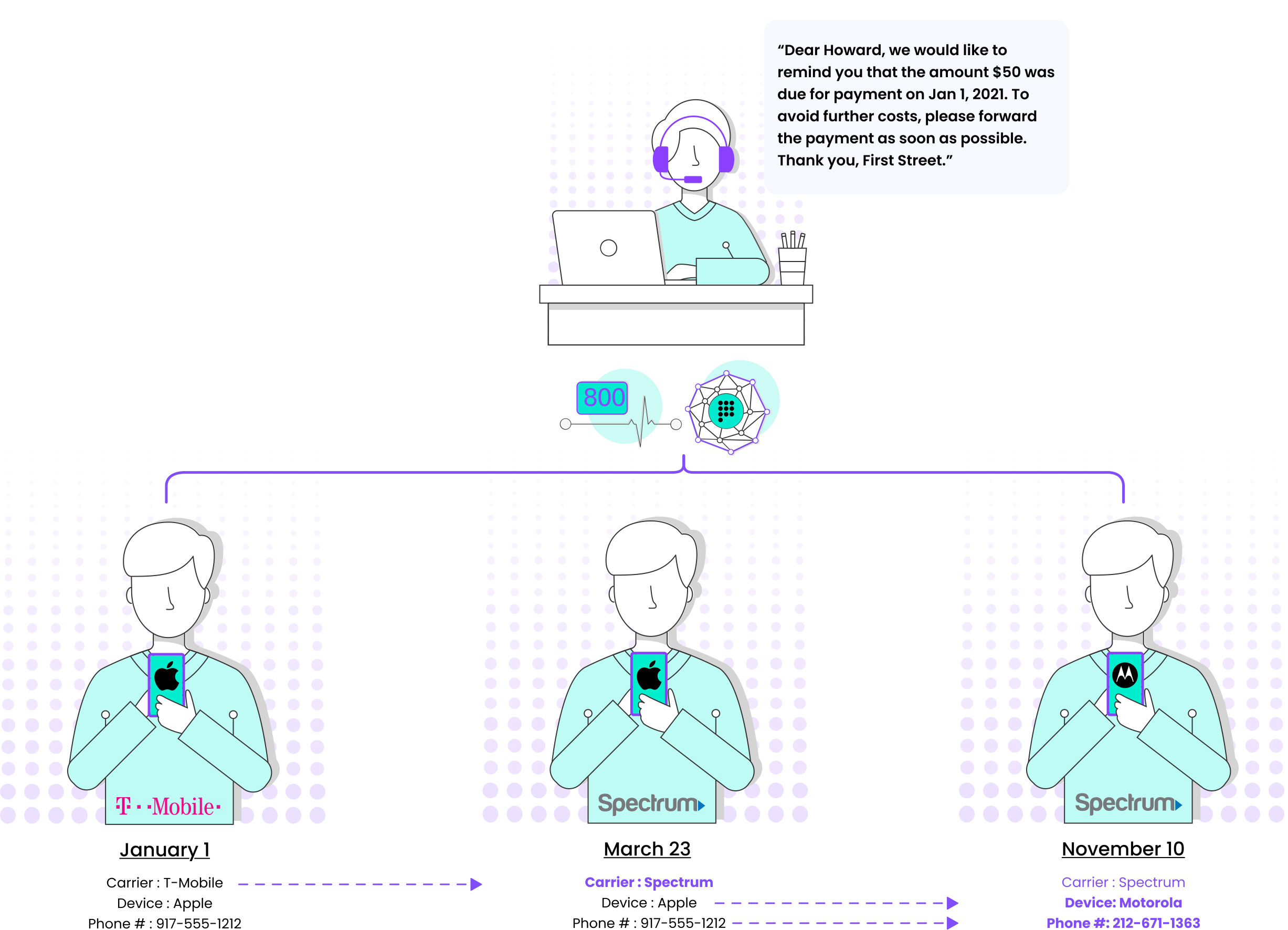

TCPA regulations place limits on unsolicited pre-recorded telemarketing calls that are made to home telephones. Fonebook supports this use case by enabling access to a real-time view of phone number ownership, giving clients the confidence that they are contacting the correct customer the first time, even if they have changed their device, provider, or phone number. Clients can use Fonebook's Read and Trust Score APIs to look up all verified and current phone numbers and associated line types in Fonebook.
Pre-Fill enables consumers to frictionlessly complete applications
Pre-Fill enables consumers to frictionlessly complete applications

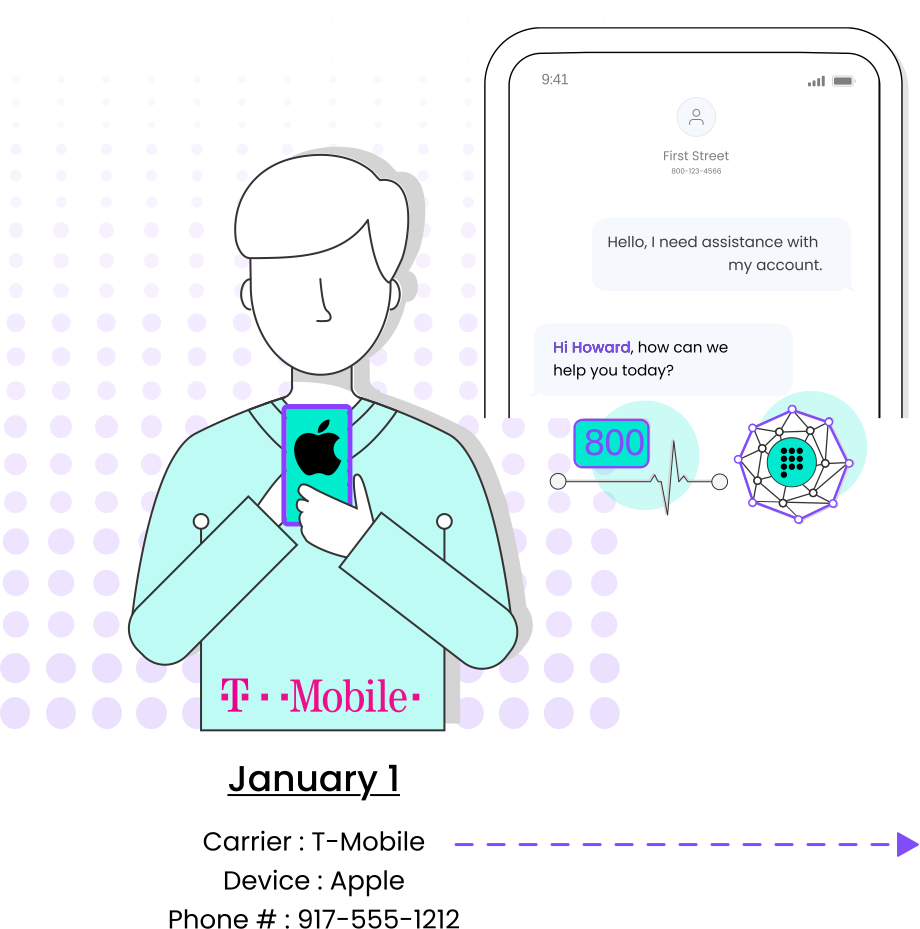
On January 1, the client receives a text message from a customer asking for support. The client looks up the customer ID to verify ownership using the Fonebook Read API, followed by verifying reputation by using Trust Score.
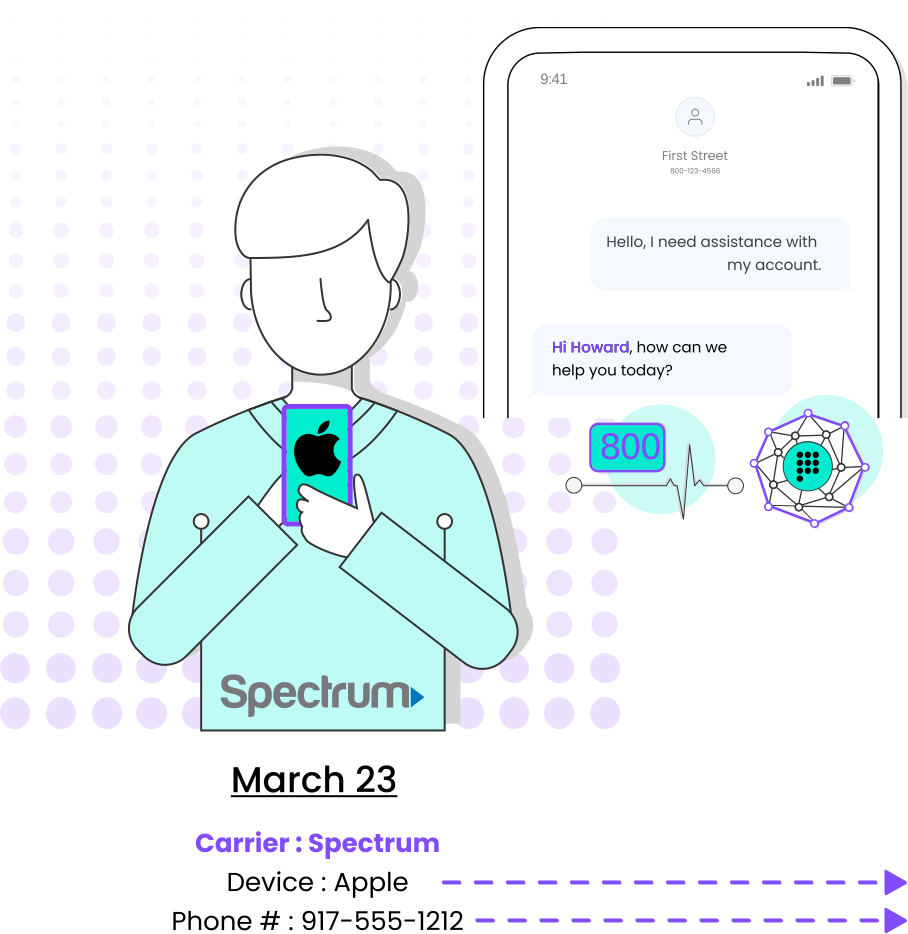
Later in the year, the customer has changed carriers, keeping the same number. Because Fonebook is processes real time porting events, the client can verify the ownership and reputation when the customer contacts again.
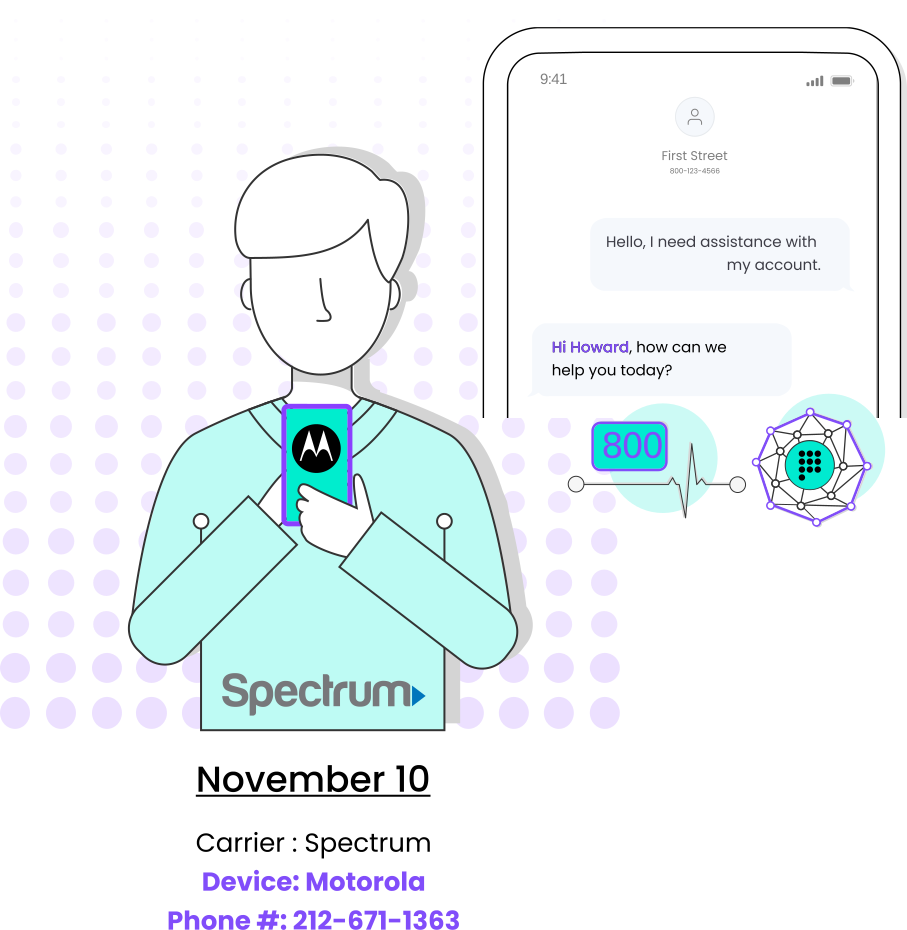
A subsequent change of phone number is no problem for Fonebook. Phone number changes are tracked in real time as well.
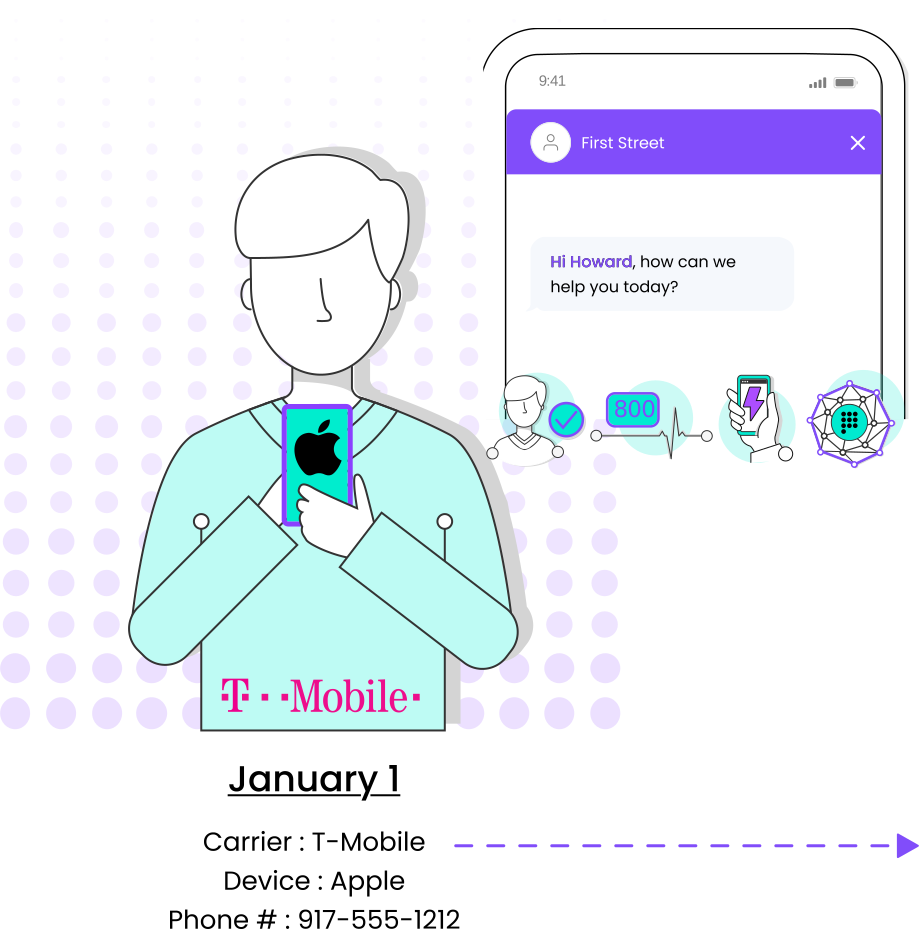
On January 1, the user authenticates themselves using a Prove Auth flow. The client application will have the customer phone number and client ID. The client looks up the customer ID to verify ownership using the Fonebook Read API, followed by verifying reputation by using Trust Score.
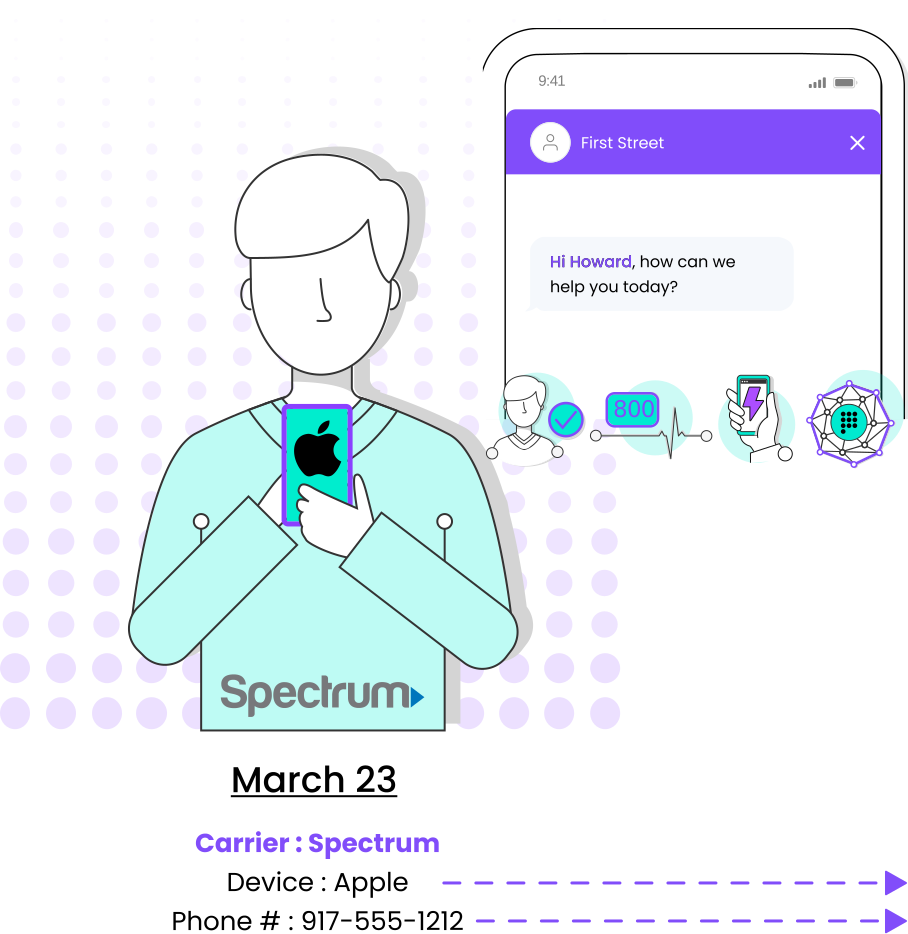
Later in the year, the customer has changed carriers, keeping the same number. Because Fonebook is processes real time porting events, the client can verify the ownership and reputation when the customer contacts again.
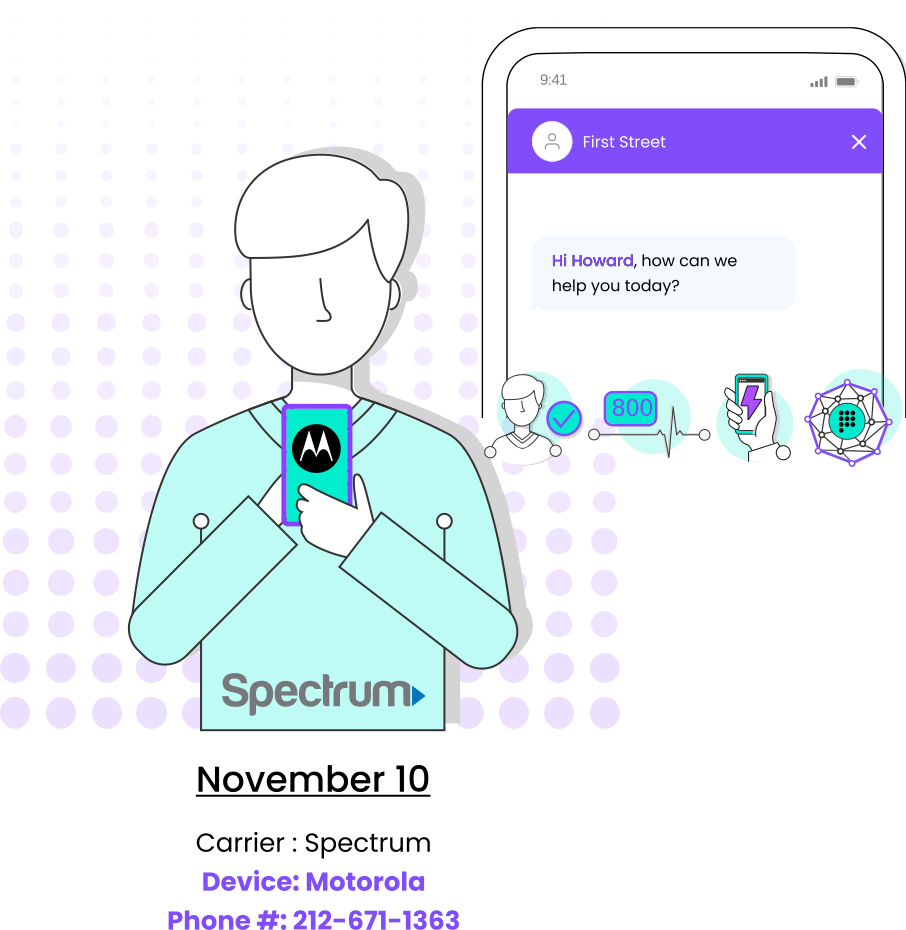
A subsequent change of phone number is no problem for Fonebook. Phone number changes are tracked in real time as well.


When visiting a website, a customer decides they need to access their latest bill. They open up a chat session with customer service. Because their latest bill is a protected document that requires a confirmation of identity, support asks the user to provide their mobile phone number.


The client uses Prove InstantLink to send an authentication link to the phone number, asking the user to tap the link. This establishes possession of the device, authenticating the user.
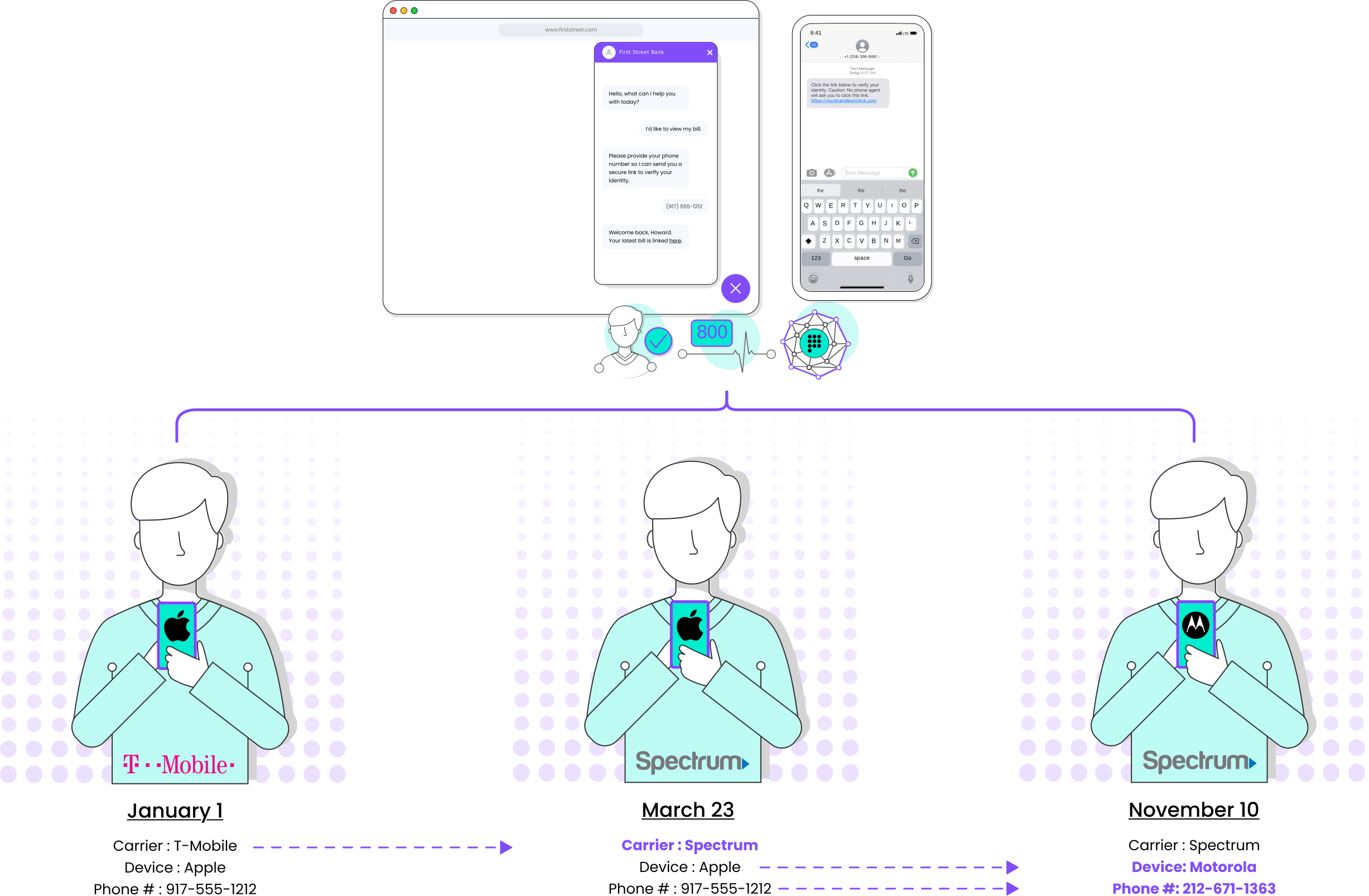
After an ownership check using Fonebook’s Read API, a client can use TrustScore and Instant Link APIs to verify reputation and possession, ensuring that the correct consumer is engaging in an online chat with customer service


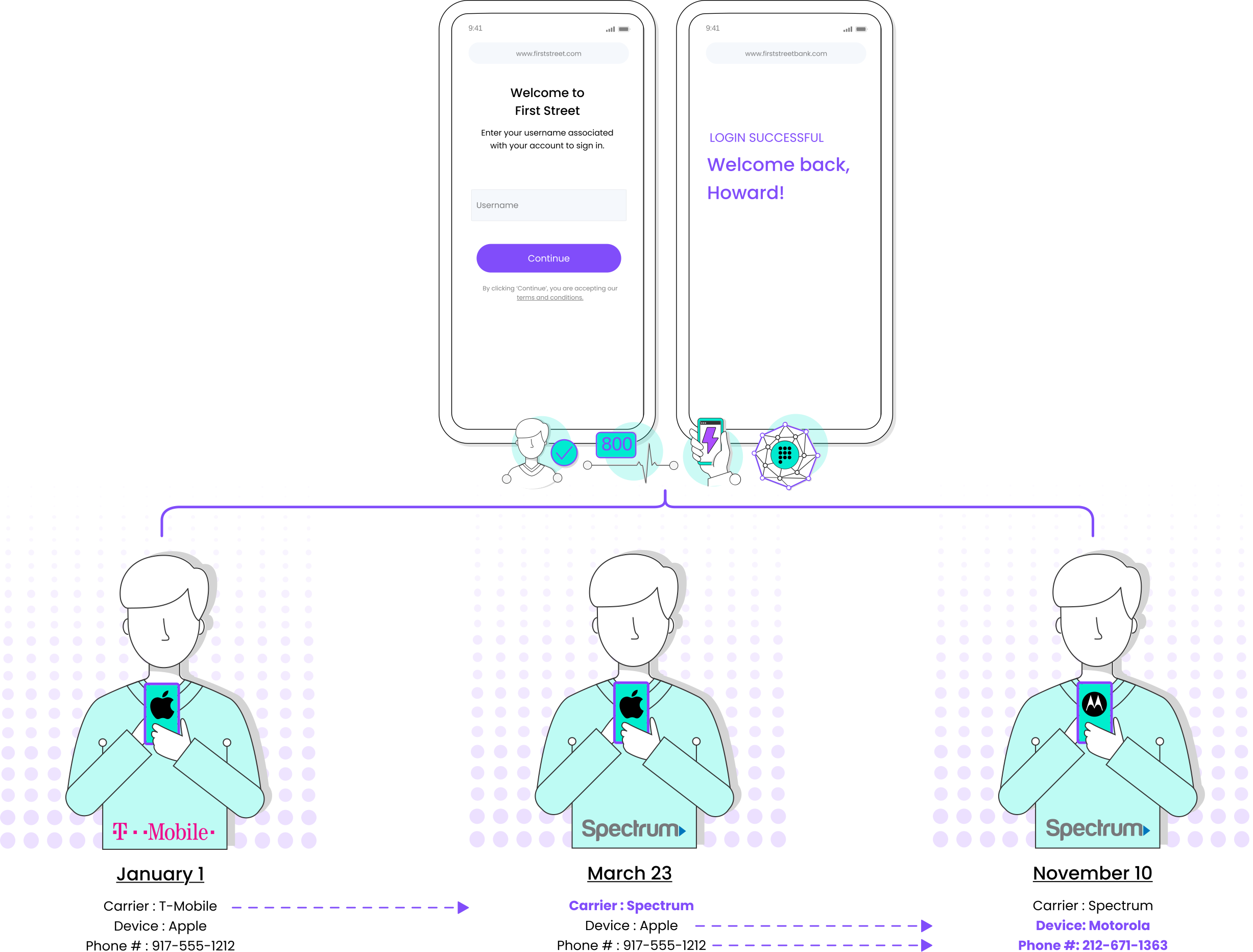
Customers can easily log-in to their account via app or mobile browser even after they have changed their mobile carrier, device, or phone number. In addition to leveraging Prove’s possession APIs, Fonebook provides access to Trust Score(reputation) and Read/Verify (ownership) to ensure the correct customer is logging in.


To support omnichannel login on a desktop web, a client can prompt the user for their username (customer ID) and phone number, then leverage Fonebook’s Read API to verify ownership of the phone number, Trust Score to verify reputation, and Instant Link to establish possession. Instant Link sends an SMS to the mobile number provided.

%20Desktop%203.svg)
%20Desktop%204.svg)
%20Desktop%205.svg)
Once the Instant Link mobile verification is completed, the customer is logged in to the website.
%20Desktop%206%20-%20NEW.svg)
To support omnichannel login on a desktop web, a client can prompt the user for their username (customer ID) and phone number, then leverage Fonebook’s Read API to verify ownership of the phone number, Trust Score to verify reputation, and Instant Link to establish possession. Instant Link sends an SMS to the mobile number provided.
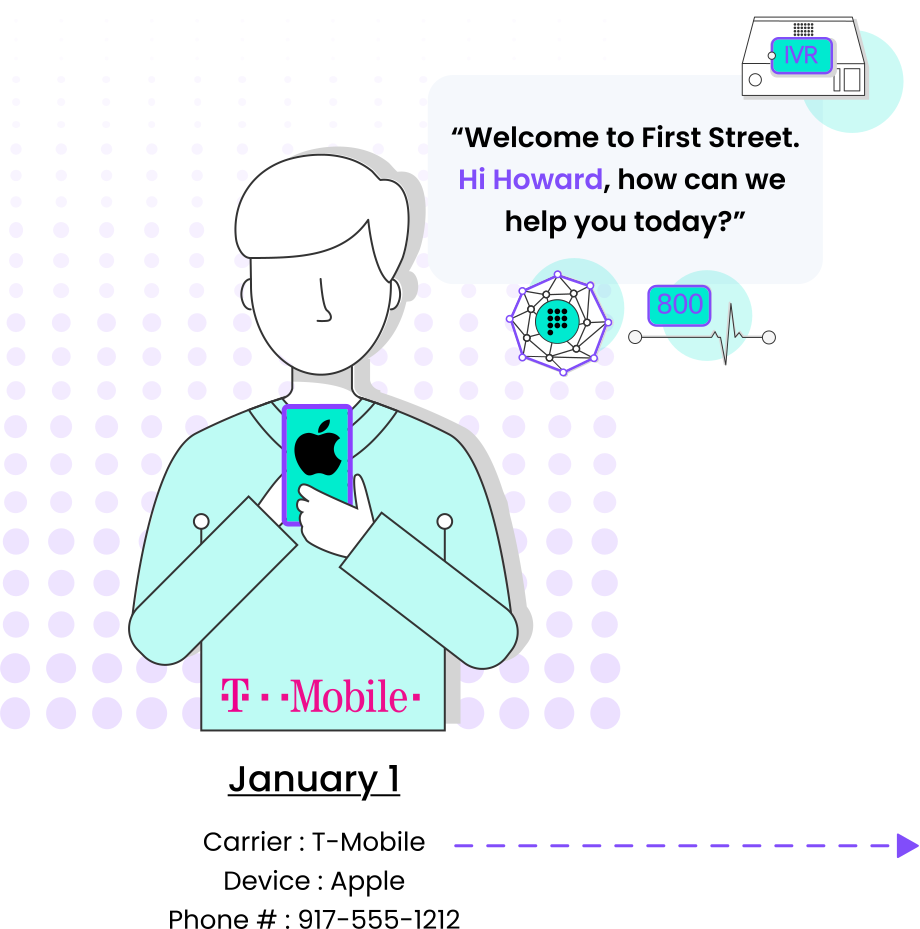
On January 1, the client calls into the contact center. The client looks up the customer ID from the phone number, and verifies ownership using the Fonebook Read API, followed by verifying reputation by using Trust Score.
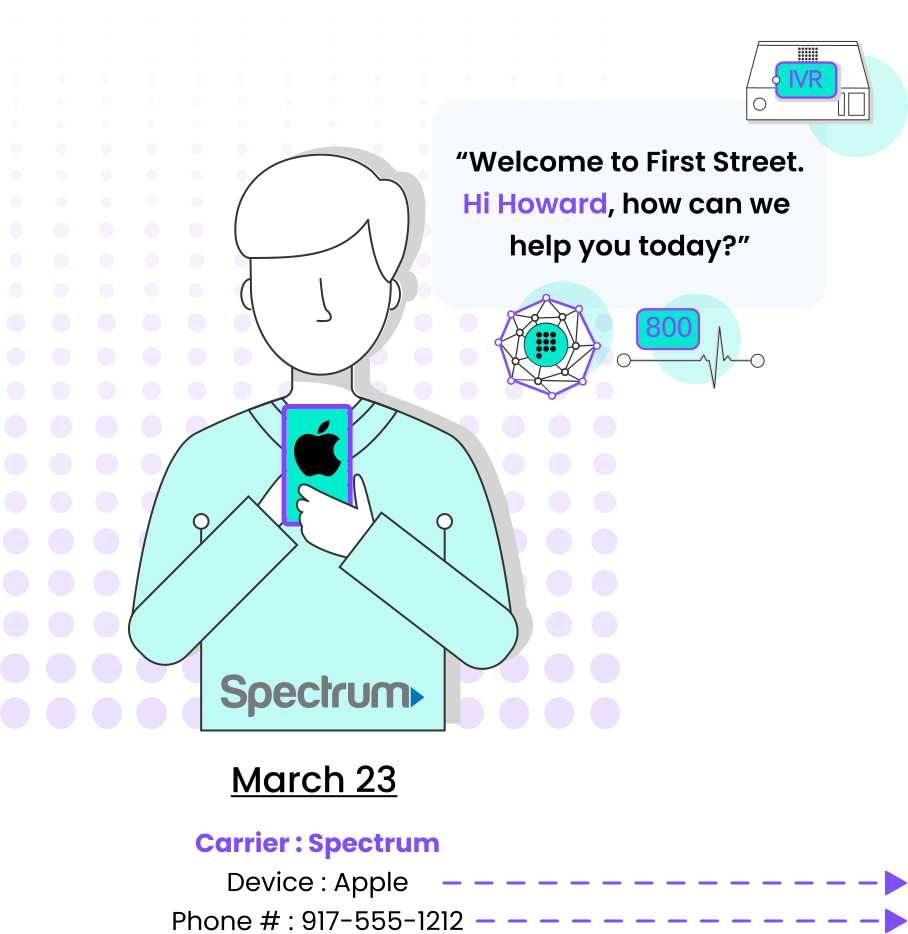
Later in the year, the customer has changed carriers, keeping the same number. Because Fonebook is processes real time porting events, the client can verify the ownership and reputation when the customer contacts again.
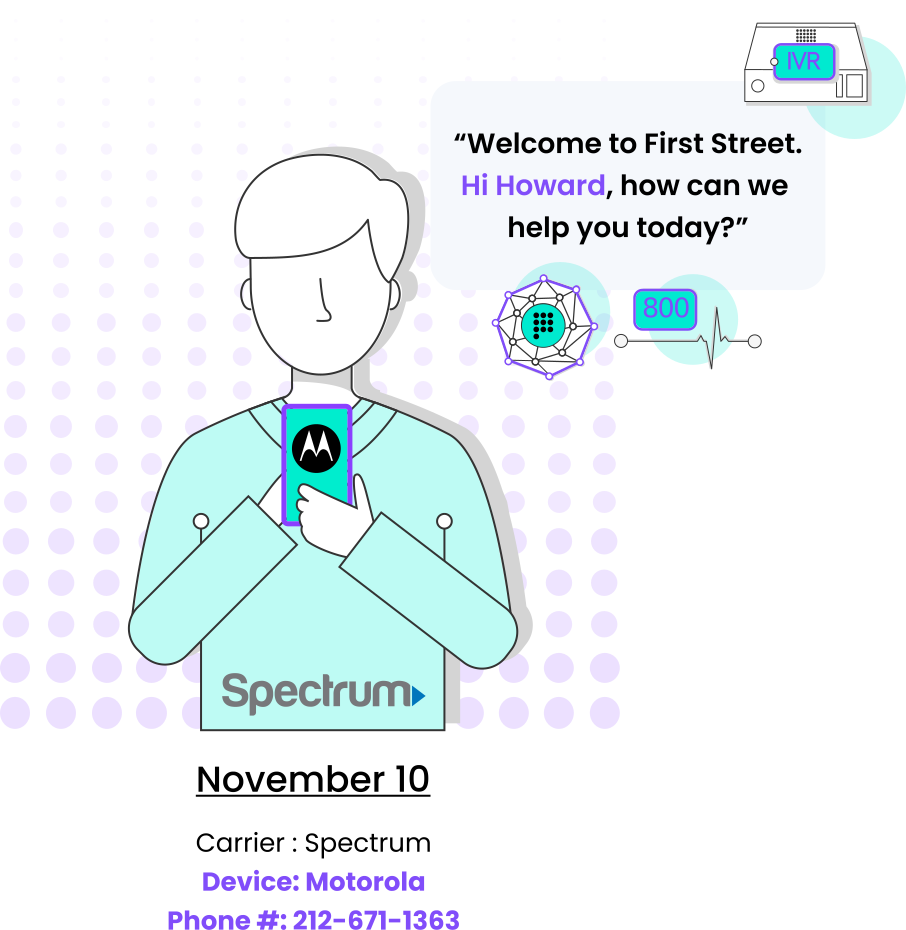
A subsequent change of phone number is no problem for Fonebook. Phone number changes are tracked in real time as well.




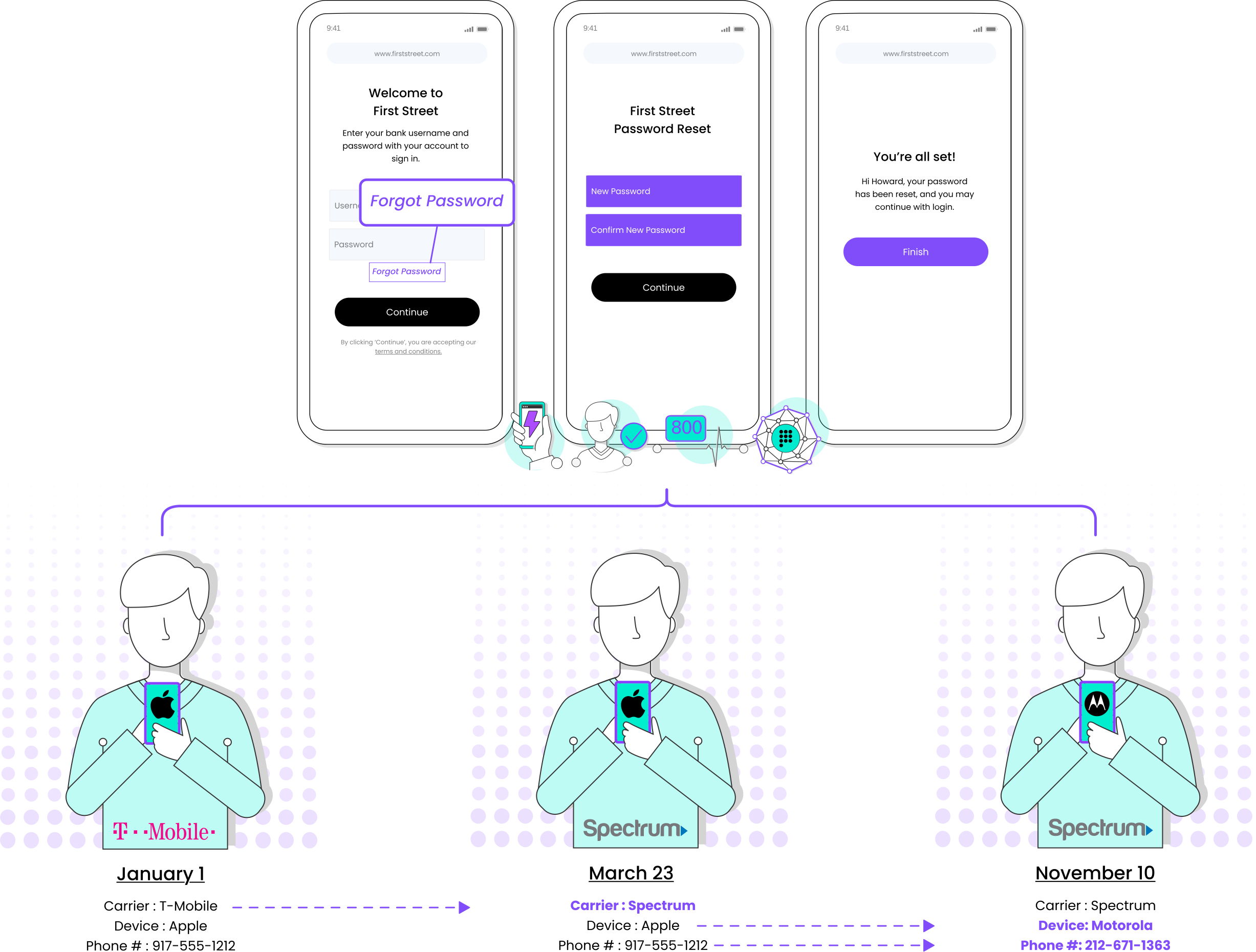
Leveraging Prove MobileAuthentication, the client can determine the phone number, and subsequently use Fonebook APIs to ensure ownership and reputation to secure high-risk transactions (HRTs) like password resets by enabling companies to ensure that the correct user is in possession of their device.


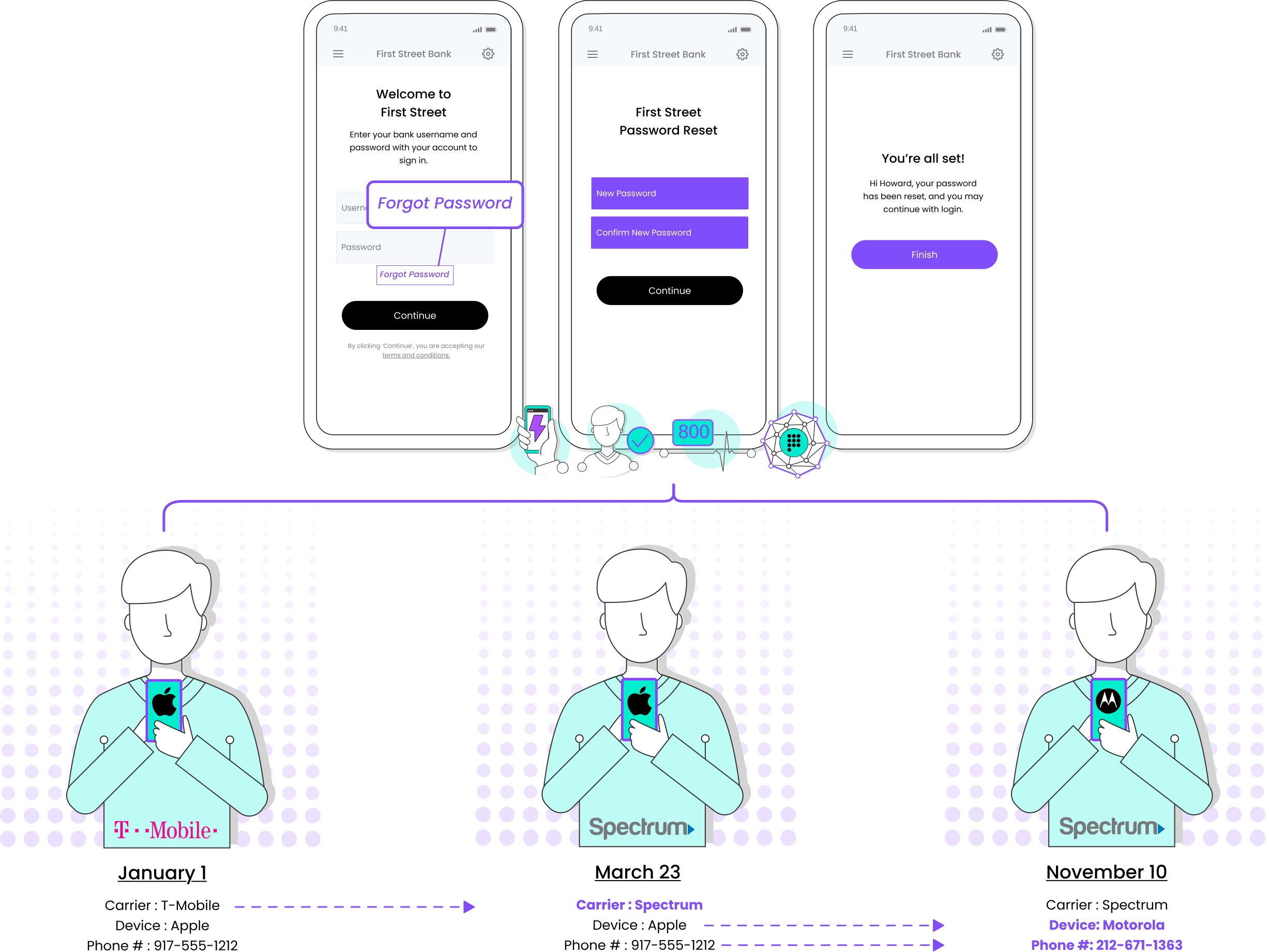
Leveraging Prove MobileAuthentication, the client can determine the phone number, and subsequently use Fonebook APIs to ensure ownership and reputation to secure high-risk transactions (HRTs) like password resets by enabling companies to ensure that the correct user is in possession of their device.

To support password reset from a desktop web application, a client can prompt the user for their username(customer ID) then leverage Fonebook’s Read API to search for the mobile phone number and verify ownership,Trust Score to verify reputation, and Instant Link to establish possession. Instant Link sends an SMS to the mobile number provided.


Once the Instant Link mobile verification is completed, the customer is logged in to the website.

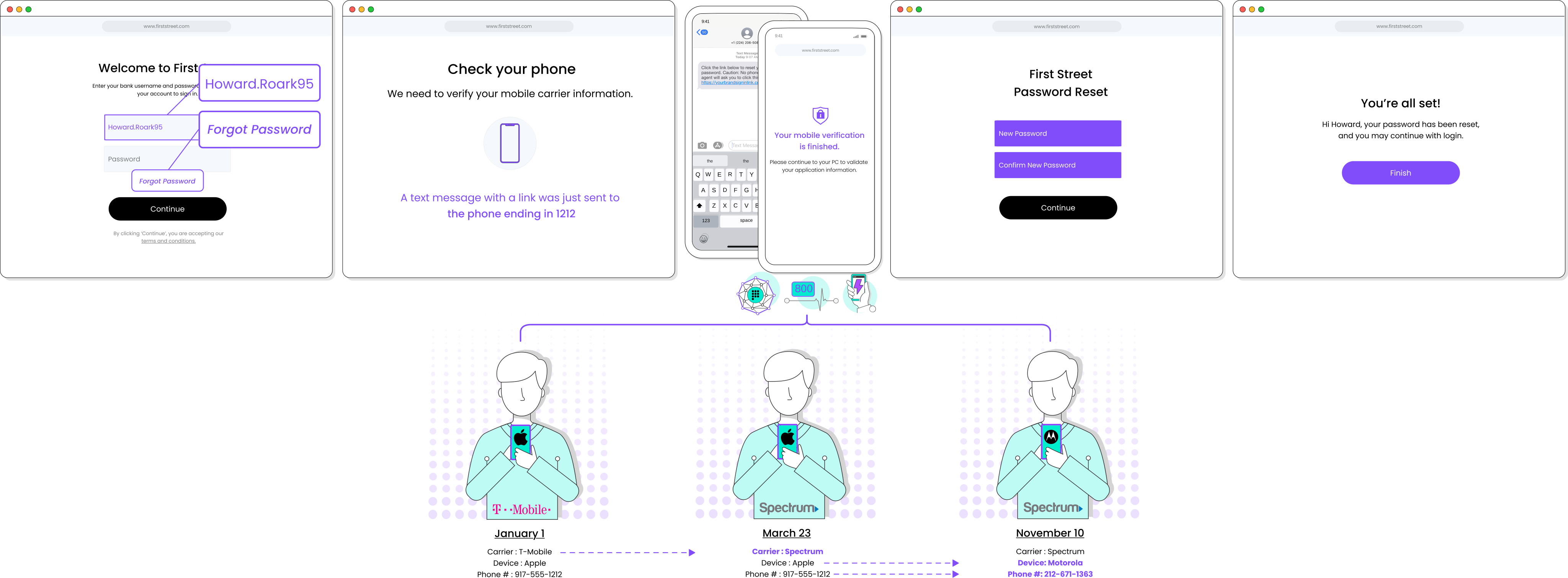
Fonebook secures high-risk transactions(HRTs) like password resets on desktop apps through an omni-channelauthentication experience that enables companies to ensure that the correct user is in possession of their device prior to allowing the reset to occur.


To support password reset from a contact center dial in, a client can leverage Fonebook’s Read API to verify ownership and Trust Score to verify reputation of the phone number. Once established, the client can SMS an Instant Link to establish possession and walk the user through a subsequent password reset on their mobile device.


Once the Instant Link is clicked, the user is guided through a password reset user experience.
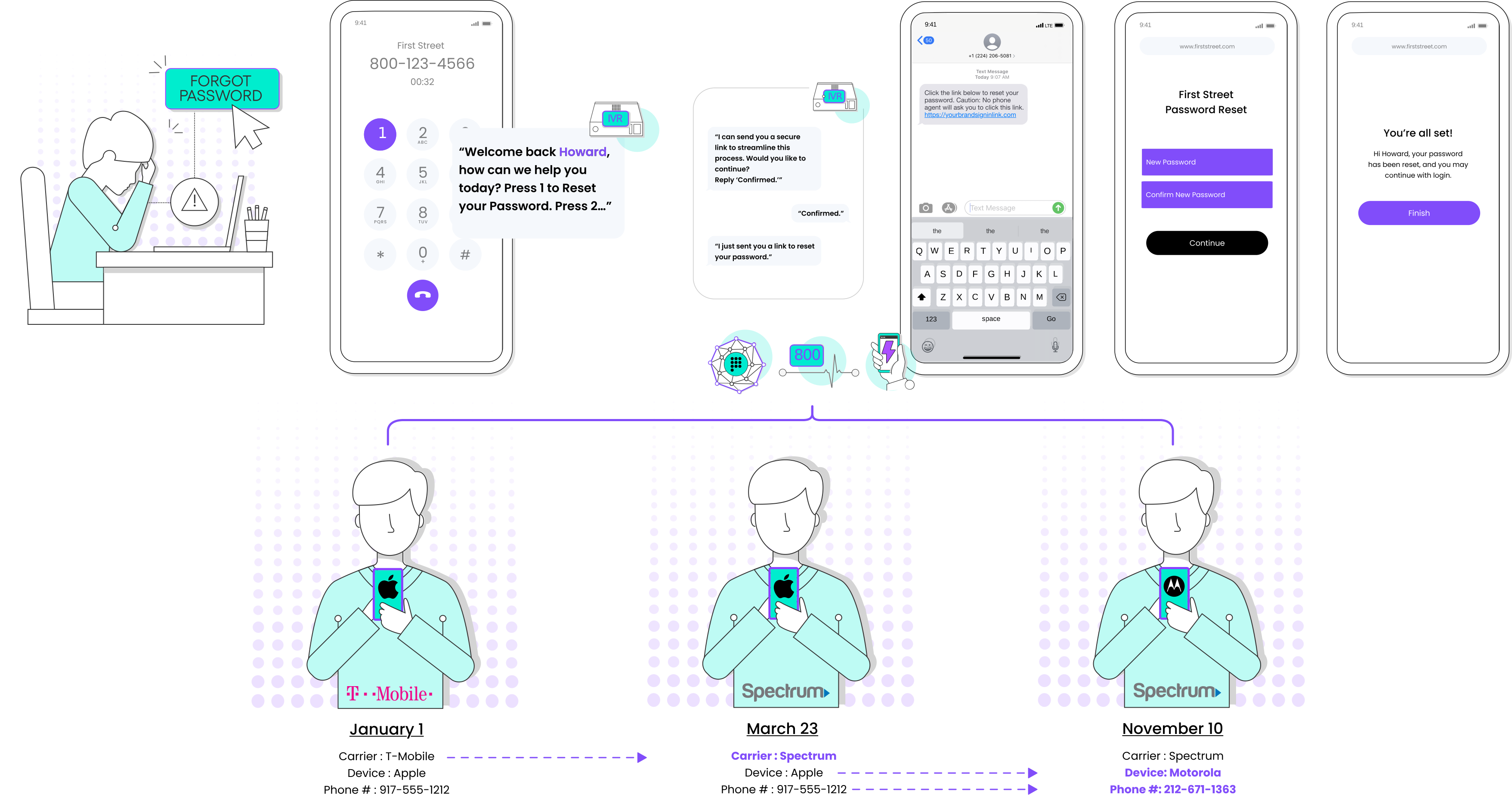
Fonebook secures high-risk transactions(HRTs) like password resets via contact center chat through an omni-channel authentication experience that enables companies to ensure that the correct user is in possession of their device prior to allowing the reset to occur.

To support password reset from anSMS to the contact center support line, a client can leverage Fonebook’s Read API to verify ownership andTrust Score to verify reputation of the phone number that is initiating the text message. Once established, the client can SMS an Instant Link to establish possession and walk the user through a subsequent password reset on their mobile device.

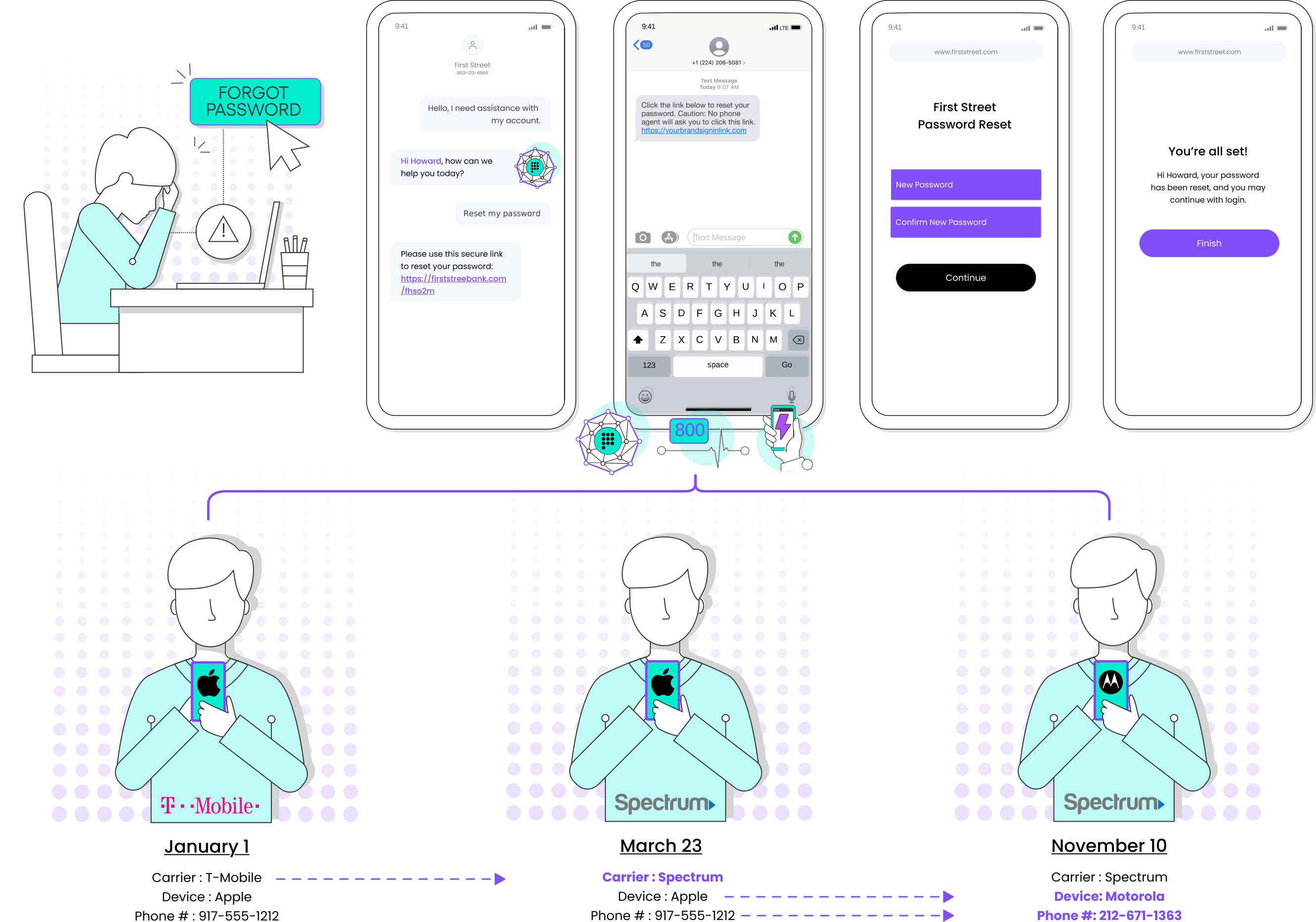
Fonebook secures high-risk transactions (HRTs) like password resets via contact center SMS chat through an omni-channel authentication experience that enables companies to ensure that the correct user is in possession of their device prior to allowing the reset to occur.


To support password reset via an in-app experience, a client can leverage Fonebook’s Read API to verify ownership andTrust Score to verify reputation of the phone number that is initiating the chat. Once established, the client can provide an Instant Link in app to establish possession and walk the user through a subsequent password reset on their mobile device.
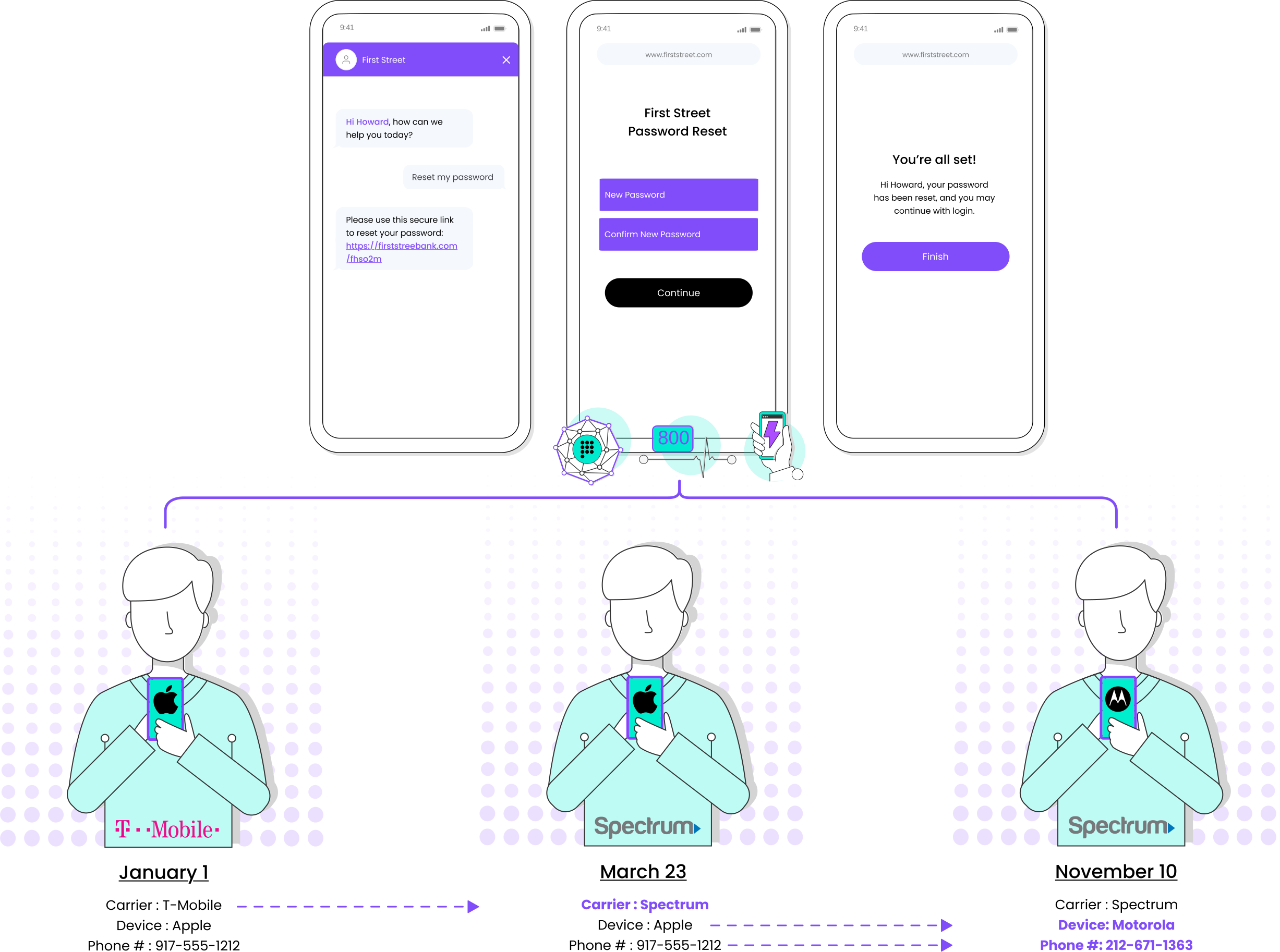
Fonebook secures high-risk transactions(HRTs) like password resets via in-app chat through an omni-channel authentication experience that enables companies to ensure that the correct user is in possession of their device prior to allowing the reset to occur.

To support password reset from a desktop web chat with the contact center, a client can prompt the user to provide their phone number, and leverage Fonebook’s Read API to verify ownership andTrust Score to verify reputation of the phone number. Once established, the client can SMS an Instant Link to establish possession and walk the user through a subsequent password reset on their mobile device.
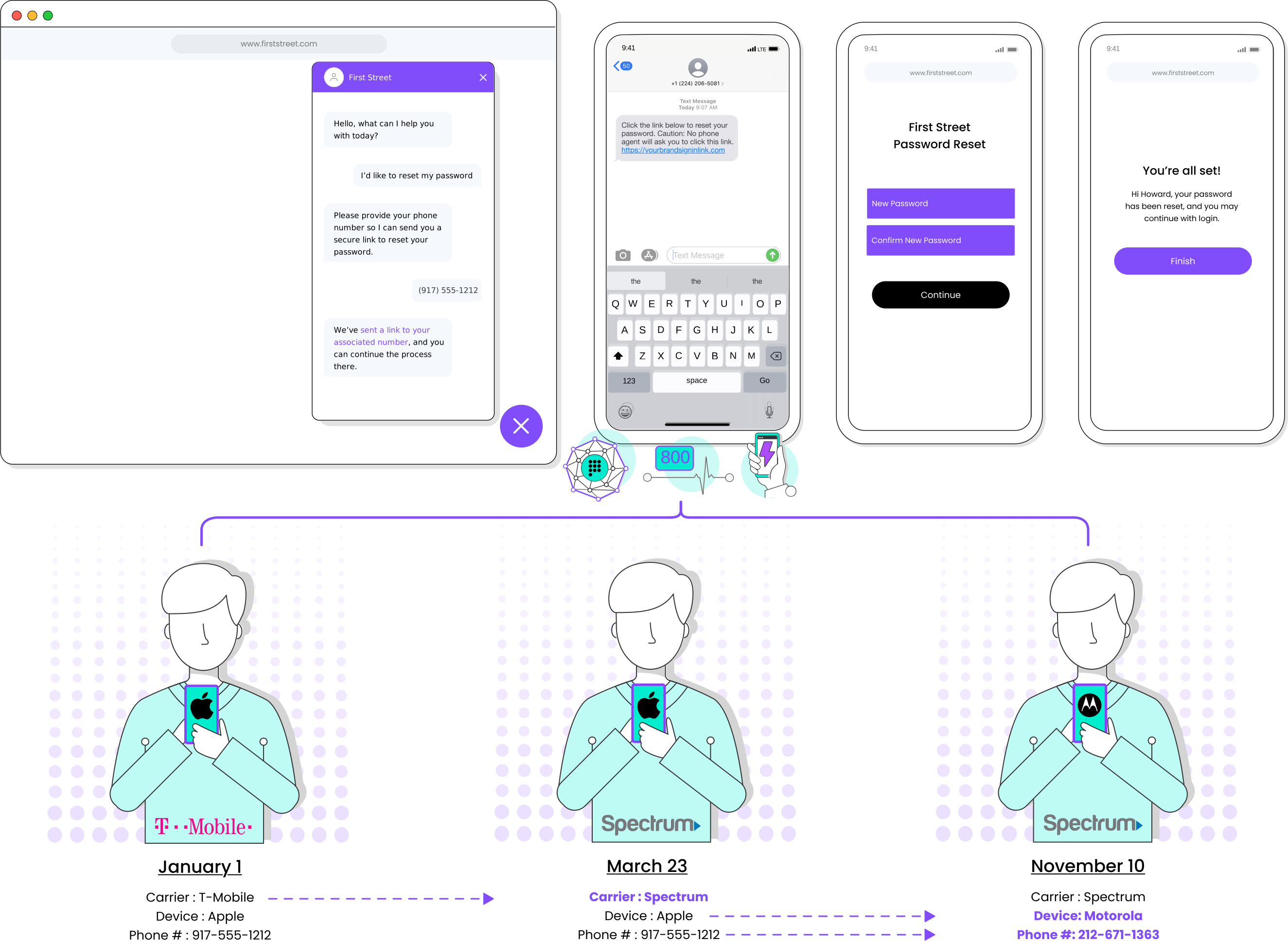
Fonebook secures high-risk transactions (HRTs) like password resets via contact center chat through an omni-channel authentication experience that enables companies to ensure that the correct user is in possession of their device prior to allowing the reset to occur.

.svg)


.svg)
.svg)
.svg)
.svg)